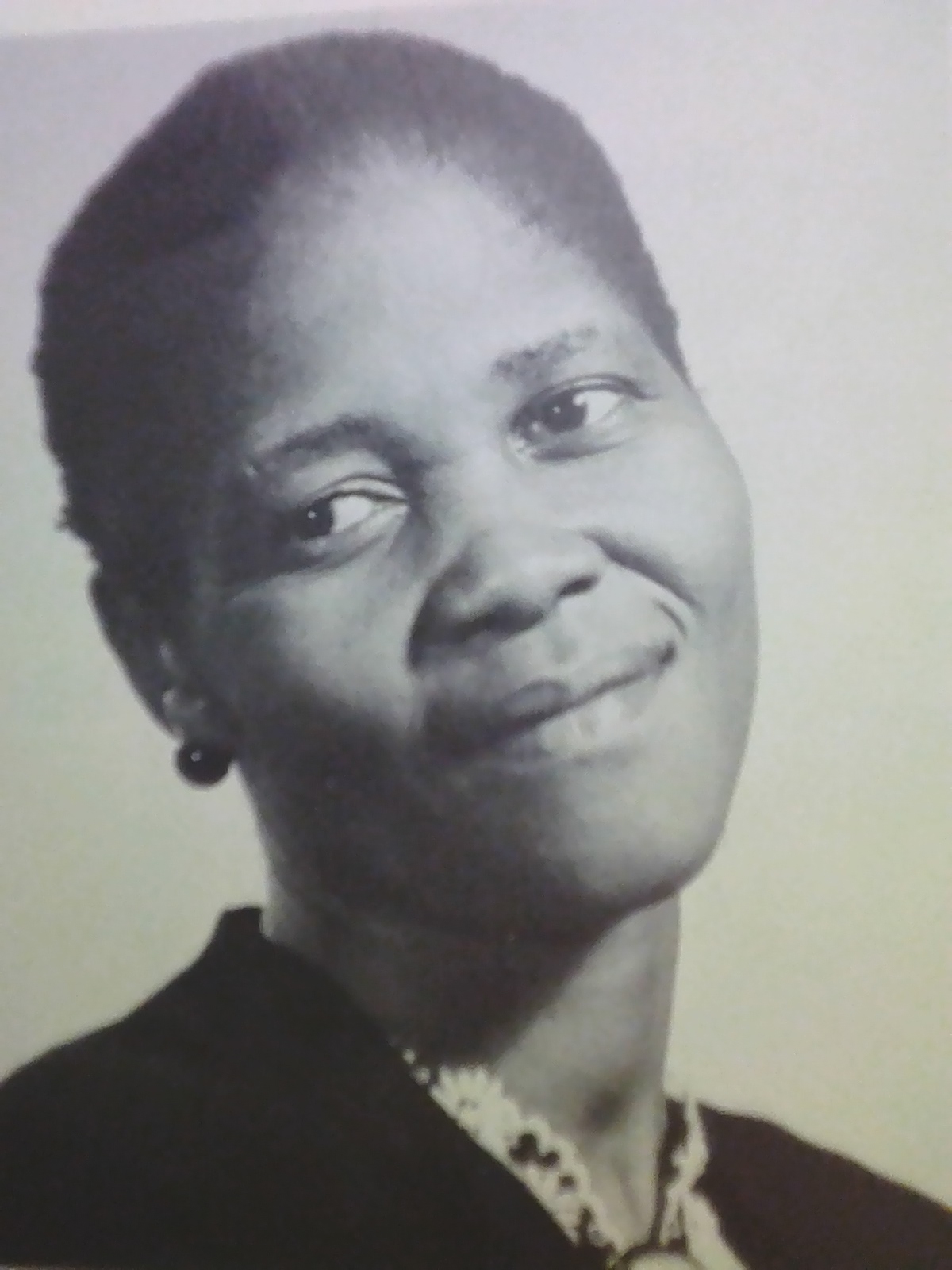
Lillian Masediba Ngoyi
Anti-apartheid activist, trade unionist, and women's rights leader
of 100 · stable trend · Visibly decent and improving
Standing
64/100
Raw Score
54/85
Confidence
82%
Evidence
Medium-high for public activism and pressure behavior; low for private belief and worship discipline.
About
Lillian Ngoyi rose from factory and union work into national anti-apartheid leadership, helping build FEDSAW, leading the 1956 Women's March, and enduring treason charges, detention, solitary confinement, and long banning orders.
The observable record shows repeated public sacrifice for oppressed Black South Africans and women, with especially strong evidence for helping people constrained by apartheid law and remaining steadfast under pressure. Evidence for explicit personal belief and worship discipline is thin, so those dimensions are scored cautiously rather than negatively.
Five Pillars
Pillar scores (0–100%)
Her score is carried by unusually strong public evidence of social care, courage, and steadiness under repression. Spiritual dimensions remain under-evidenced rather than treated as absent.
Goodness over time
Starts at 100 at birth, natural decay after accountability age, timeline events adjust the trajectory.
17 Criteria Scores
Individual item scores (0–5) with evidence notes
Core Worldview
Cautious score due to limited public evidence of private belief.
Cautious score due to limited public evidence of private belief.
Cautious score due to limited public evidence of private belief.
Cautious score due to limited public evidence of private belief.
Cautious score due to limited public evidence of private belief.
Contribution to Others
Public family-care evidence is thin.
Grounded in women-centered organizing and future-of-children rhetoric.
Grounded in documented anti-apartheid and worker organizing.
Broader cross-community anti-pass-law organizing supports a moderate score.
Petition delivery and organizing channels reflect responsive advocacy.
Central public work opposed apartheid pass-law constraints.
Personal Discipline
Cautious score due to limited public evidence of private worship discipline.
Cautious score due to limited public evidence of religiously disciplined charity.
Reliability
Grounded in sustained public commitments despite repression.
Stability Under Pressure
Sources note hardship and restricted earning under banning orders.
Grounded in trial, detention, solitary confinement, and banning orders.
Grounded in direct confrontation with apartheid law and state repression.
Timeline
Key events and documented turning points
Entered garment work and union organizing
After earlier nursing training did not continue, Ngoyi worked as a clothing-factory machinist and became active in the Garment Workers Union, where public sources describe her as emerging as a leading figure and speaker.
→ Built a practical organizing base before entering national anti-apartheid politics.
mediumJoined the ANC during the Defiance Campaign
Ngoyi joined the ANC in the early 1950s and was arrested after using post-office facilities reserved for white people, an act of direct civil disobedience against apartheid segregation.
→ Demonstrated willingness to risk arrest for equal civic access.
mediumHelped build FEDSAW and rose in women's leadership
When the Federation of South African Women formed in 1954, Ngoyi became a national vice-president and later president, while also leading the ANC Women's League and entering senior ANC structures.
→ Expanded women's organized voice in the liberation struggle.
highLed the 1956 Women's March against pass laws
Ngoyi was one of the principal leaders of the 9 August 1956 march to the Union Buildings. SAHO records that more than 20,000 women protested abusive pass laws, and that Ngoyi personally knocked on Prime Minister J. G. Strijdom's door to deliver petitions.
→ The march became a defining event in South African women's anti-apartheid resistance and later National Women's Day memory.
very_highArrested and tried in the Treason Trial
Ngoyi was arrested with 156 other anti-apartheid figures and stood trial until 1961. During the 1960 state of emergency she was imprisoned for five months, much of it in solitary confinement.
→ She remained identified with the liberation movement despite long legal and carceral pressure.
highLived under banning orders and renewed repression
From 1962, Ngoyi was repeatedly banned, confined to Orlando Township, barred from gatherings, detained again under the 90-day detention law, and later subjected to renewed restrictions until her death in 1980.
→ Her ability to earn and organize was severely suppressed, but her reputation for courage endured.
highPosthumously awarded the ANC's Isitwalandwe medal
After her death, Ngoyi was honored by the ANC with the Isitwalandwe medal, reflecting how her public sacrifice was remembered by the liberation movement.
→ Public recognition reinforced her standing as a model of courage and service.
mediumPressure Tests
Behavior under crisis or scrutiny
Arrest during the Defiance Campaign
1952She was arrested after challenging whites-only facilities.
Response: Continued deeper into ANC and women's organizing.
Positive resilience under civic pressure.Treason Trial and emergency detention
1956She was tried for treason and later imprisoned during the state of emergency.
Response: Remained publicly identified with anti-apartheid struggle.
Strong pressure-test evidence.Banning orders and isolation
1962She was confined, barred from gatherings, and economically suppressed.
Response: Her reputation for resistance endured despite practical silencing.
Strong personal hardship resilience.Progression
crisis years
The apartheid state restricted her movement and voice while public memory preserved her example.
stableearly years
Factory work and union organizing formed her practical base.
growthgrowth years
She moved into ANC Women's League and FEDSAW leadership.
growthBehavioral Patterns
Positive
- • Moved from workplace organizing into broader anti-apartheid service rather than private advancement.
- • Accepted repeated personal risk for people constrained by apartheid systems.
Concerns
- • Private religious discipline is not well documented in accessible public sources.
Evidence Quality
3
Strong
2
Medium
0
Weak
Overall: medium-high for public activism and pressure behavior; low for private belief and worship discipline.
Scores are provisional and evidence-based. Private belief and worship are under-evidenced in accessible public records.