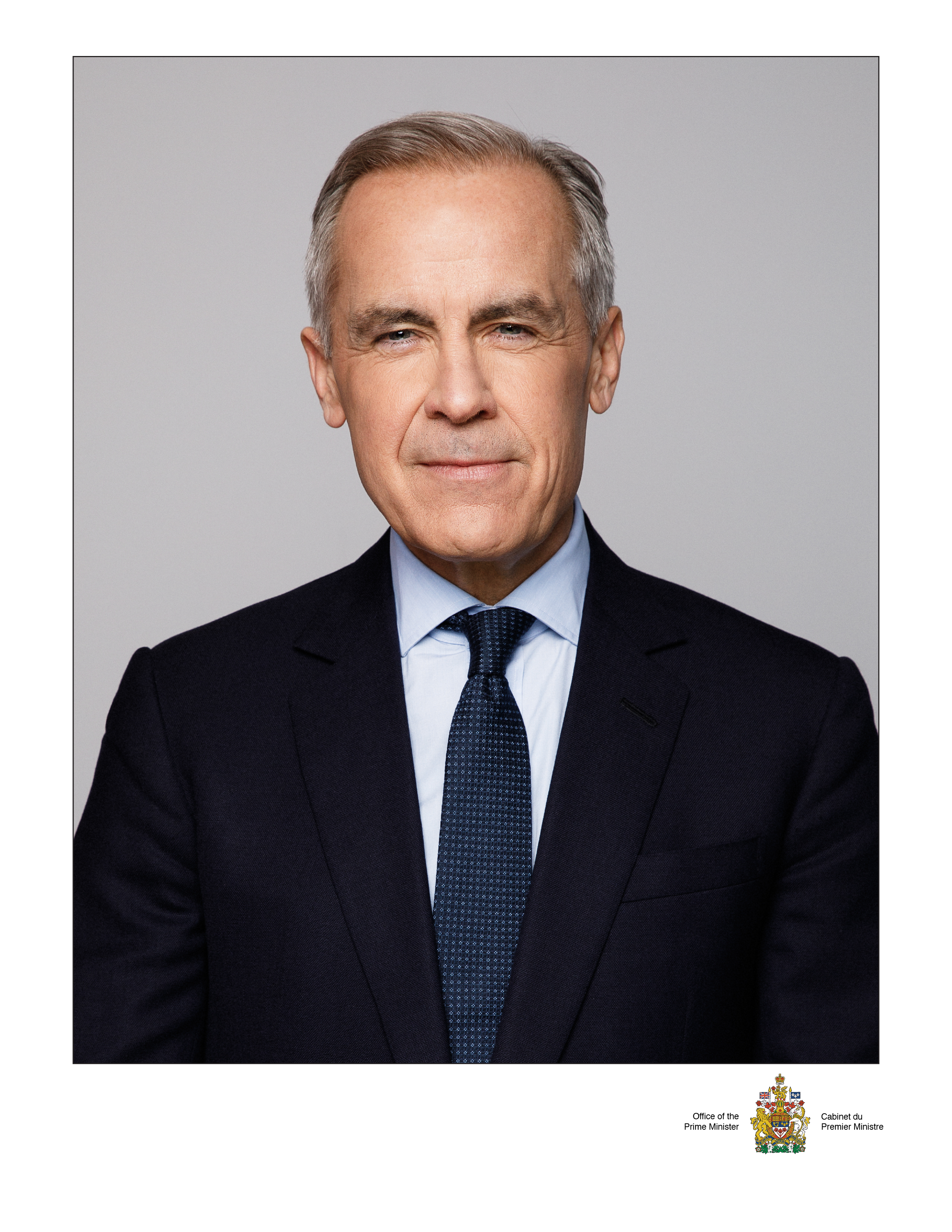
Mark Joseph Carney
Prime Minister of Canada; former Governor of the Bank of Canada and Bank of England
of 100 · improving trend · Visibly decent and improving
Standing
63/100
Raw Score
54/85
Confidence
70%
Evidence
Strong
About
Carney's public record is strongest on resilience, institutional competence, and long-horizon service in economic crises. The profile stays cautious because observable personal charity is less direct than his policy influence, because Brookfield conflict questions complicated trust, and because his public abortion stance conflicts with the religious identity he still claims and practices.
The evidence supports a materially positive but clearly imperfect profile. He repeatedly stepped into pressure-heavy roles, often with a common-good frame and visible religious affiliation, yet the record does not support a simple moral hero reading because integrity concerns and faith-policy contradictions remain real.
Five Pillars
Pillar scores (0–100%)
Carney scores best on resilience and institutional steadiness: he repeatedly moves toward hard public roles rather than away from them, and the record shows composure in crises from 2008 to the tariff era. The profile is capped by only moderate direct social-care evidence, by real conflict-of-interest concerns around former employers, and by a public abortion stance that complicates otherwise meaningful Christian belief and worship signals.
Goodness over time
Starts at 100 at birth, natural decay after accountability age, timeline events adjust the trajectory.
17 Criteria Scores
Individual item scores (0–5) with evidence notes
Core Worldview
Contribution to Others
Personal Discipline
Reliability
Stability Under Pressure
Timeline
Key events and documented turning points
Became Governor of the Bank of Canada as the global financial crisis deepened
Carney took over Canada's central bank at the start of February 2008 and soon became one of the country's chief crisis managers during the global financial shock.
→ He earned a durable reputation for steady crisis communication and fast institutional action.
highBecame the first non-British Governor of the Bank of England
After his Bank of Canada tenure drew international praise, Carney was appointed to lead the Bank of England, a rare cross-border vote of trust in his crisis-management skill.
→ The appointment expanded his influence from national to global financial leadership.
highWas appointed UN Special Envoy on Climate Action and Finance
The UN appointment formalized Carney's effort to connect financial systems with longer-term climate responsibility and public-risk prevention.
→ He became one of the most visible public advocates for climate-aligned finance.
mediumWas sworn in as Prime Minister of Canada during a trade-war moment
Carney took office while Canada faced U.S. tariff pressure and annexation rhetoric, immediately framing his role around sovereignty and economic defense.
→ He translated central-banker credibility into direct political leadership under external pressure.
highDeclared unreserved support for abortion rights while identifying as a practicing Catholic
Asked how his faith would shape policy, Carney said he absolutely supported a woman's right to choose and would defend that position proudly and consistently.
→ The exchange clarified a major fault line between his religious identity and one of his clearest public policy positions.
highAttended Pope Leo XIV's inaugural Mass and publicly linked faith with service
Carney's Rome trip publicly reinforced that his Catholic practice is not merely nominal; coverage highlighted his decision to attend and his visible participation in the Mass.
→ The event strengthened evidence that worship and faith remain part of his public identity, even if the policy implications are mixed.
mediumAccepted a formal ethics screen over Brookfield and Stripe ties
After questions about former corporate roles, Carney's ethics disclosure placed him behind a screen covering former employers and more than 100 related entities.
→ The move mitigated some risk but also confirmed that his financial entanglements created a real trust burden.
mediumUsed a trade-focused visit to Australia to push diversification beyond the United States
During a three-country trip, Carney argued that Canada needed broader partnerships and framed economic resilience as a protection for workers and national independence.
→ The trip reinforced a repeated pattern of answering pressure with coalition-building rather than isolation.
mediumPublicly announced temporary fuel-tax relief aimed at household affordability
On his official X account, Carney announced a temporary suspension of the federal fuel excise tax, framing it as immediate cost-of-living relief.
→ The announcement added evidence of direct pocketbook politics, though the long-term distributive impact is limited compared with broader structural policy.
mediumPressure Tests
Behavior under crisis or scrutiny
Global financial crisis
2008Carney assumed the governorship of the Bank of Canada as global markets were seizing up.
Response: He moved quickly into visible crisis management and built a reputation for calm, direct institutional communication.
strong resilience under financial pressureBrexit shock
2016As Bank of England governor, he faced a sudden vote shock and intense partisan criticism from Brexit supporters.
Response: He publicly reassured markets and defended the duty to speak honestly about economic risk even when it was politically costly.
strong resilience under conflict and reputational pressureTariffs and annexation rhetoric from the United States
2025Carney entered office as Canada faced tariff escalation and repeated U.S. pressure on sovereignty.
Response: He framed the moment in high-stakes national terms, pursued alliances abroad, and leaned into economic diversification.
high resilience and strategic composure under geopolitical pressureProgression
crisis years
Political ascent brought sharper moral scrutiny, especially around Brookfield conflicts and abortion.
mixedcurrent stage
Now faces the full accountability test of governing: whether crisis language turns into durable public care and trustworthy administration.
upwardearly years
Built technical credibility in finance and public service before becoming a visible moral or political figure.
upwardgrowth years
Expanded from Canadian central banker to globally trusted crisis manager and climate-finance advocate.
upwardBehavioral Patterns
Positive
- • Repeatedly accepts pressure-heavy service roles during moments of national or market stress
- • Uses public language of common good, sovereignty, and long-term responsibility rather than pure market triumphalism
- • Maintains a visible religious identity instead of hiding it when politically inconvenient
Concerns
- • Corporate entanglements continue to shadow his independence claims
- • Faith language and abortion policy remain in direct tension
- • The record contains more macro-level stewardship than person-to-person charitable proof
Evidence Quality
11
Strong
4
Medium
1
Weak
Overall: strong
This profile evaluates observable public behavior and evidence, not a person's hidden intentions, soul, or salvation.