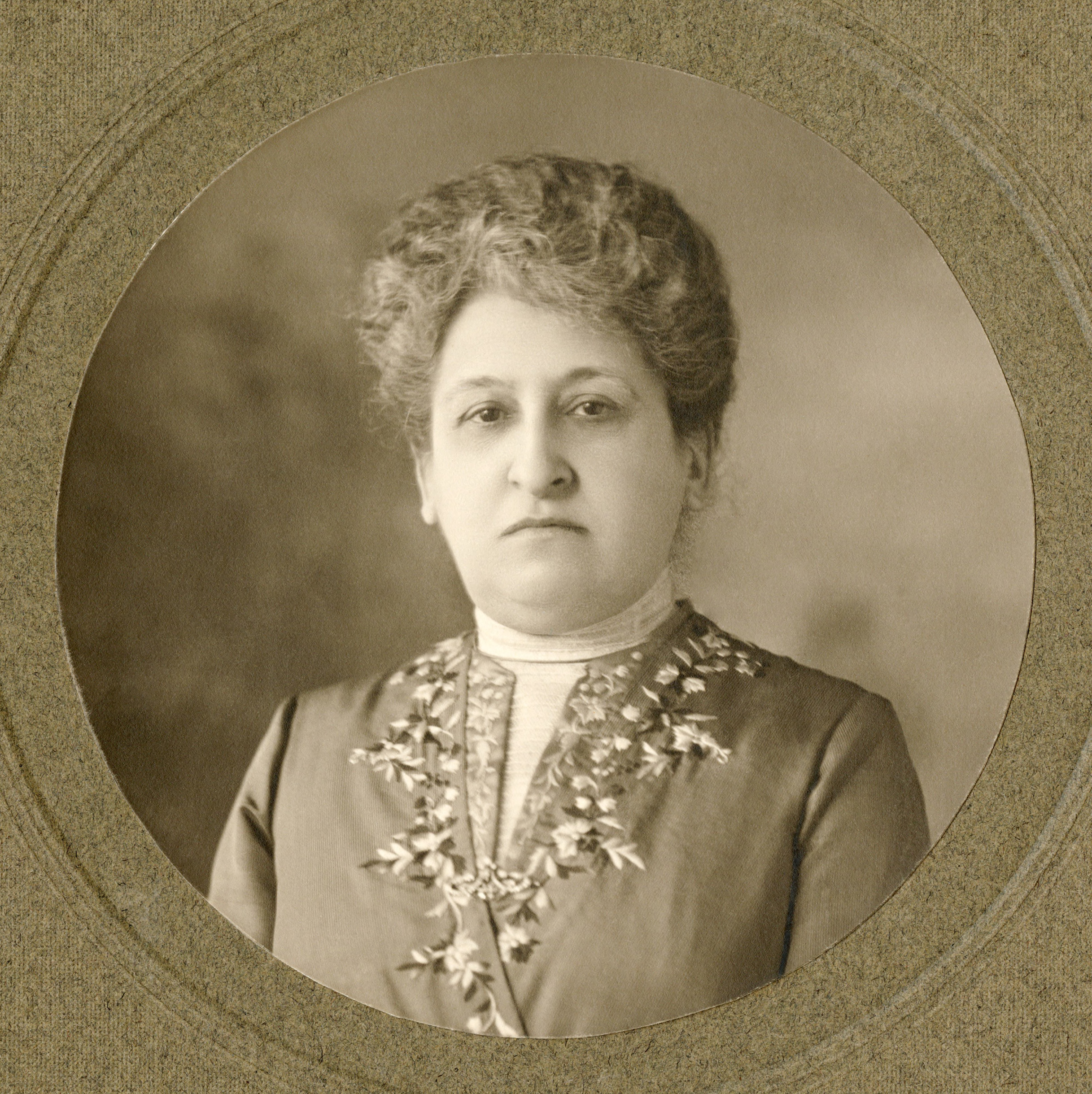
Aletta Henriette Jacobs
Dutch physician, birth-control advocate, suffrage leader, and peace activist
of 100 · stable trend · Visibly decent and improving
Standing
58/100
Raw Score
51/85
Confidence
86%
Evidence
Strong
About
Aletta Jacobs repeatedly turned professional status into public service: free care for poor women, practical contraception advice, labor reform, suffrage organizing, and peace advocacy.
Her public record shows strong social care, durable integrity, and resilience under ridicule and wartime pressure. The main caution is that her later travel writing reveals colonial assumptions that limited the universality of her politics, while direct evidence about her devotional life remains sparse.
Five Pillars
Pillar scores (0–100%)
Jacobs scores strongest where public evidence is clearest: practical help to women, long-run freedom work, and persistence under hostility. The main dampeners are limited direct evidence about worship and a documented colonial narrowing in part of her later international work.
Goodness over time
Starts at 100 at birth, natural decay after accountability age, timeline events adjust the trajectory.
17 Criteria Scores
Individual item scores (0–5) with evidence notes
Core Worldview
Born into a Jewish family and publicly oriented toward moral seriousness, though explicit devotional evidence is limited.
Her public language and choices suggest moral accountability beyond convenience, but afterlife-specific evidence is sparse.
She argued from moral order and human dignity more than from plainly theological language.
Public record shows some Jewish background but limited direct evidence of scripture-guided routine.
Little public evidence links her reform language to prophetic exemplars specifically.
Contribution to Others
Public sources emphasize civic reform and patients more than family-centered provision.
Her work improved conditions for women and children, but youth-specific service is less direct than her other care patterns.
Free clinics and practical health guidance for poor women are among the clearest repeated patterns in the record.
Her advocacy crossed class and national lines, even if not always universally framed.
She repeatedly responded to women who came to her seeking medical help, family-planning advice, and practical relief.
Education access, labor reform, contraception access, and suffrage work all aimed at loosening structural constraint.
Personal Discipline
The public record provides little direct evidence of regular prayer or communal worship practice.
Her life shows sustained material service and free care, though not clearly as a publicly documented religious obligation.
Reliability
Her decades-long follow-through across medicine, suffrage, and peace work supports a strong integrity score despite real worldview limitations.
Stability Under Pressure
She worked closely with scarcity and social deprivation, though direct evidence about her own finances is limited.
She endured bereavement and returned to reform work rather than collapsing into permanent withdrawal.
She kept organizing under public ridicule and wartime pressure.
Timeline
Key events and documented turning points
Wins admission to the University of Groningen
After petitioning Minister Thorbecke, Jacobs became the first woman officially admitted to a Dutch university, opening a path other women could follow.
→ Barrier-breaking admission established a durable public pattern of persistence against exclusion.
highBuilds a medical practice that includes free care for poor women
After qualifying as the first Dutch woman with a medical doctorate, Jacobs practiced in Amsterdam and held regular free clinics for working-class women in the Jordaan.
→ Her medical work moved beyond symbolism into repeated direct care for people with little access to help.
highUses medical practice to expand contraception access despite taboo
Jacobs introduced pessary-based contraception in her practice and gave women practical control over family size, even while facing accusations of indecency.
→ She translated clinical knowledge into concrete relief for women whose health and autonomy were constrained.
highTakes national leadership in the Dutch suffrage movement
By 1903 Jacobs had become president of the Association for Women's Suffrage and helped turn long-run organizing into a national campaign.
→ Her leadership sustained a decades-long freedom campaign rather than a short burst of symbolic protest.
highGlobal suffrage tour reveals a real colonial limitation
Jacobs traveled through Africa and Asia to advance suffrage, but later readings of her travel letters show colonial and racial assumptions that narrowed her solidarity.
→ The tour broadened her international role while leaving a documented blemish on the universality of her public moral vision.
mediumHelps organize the International Congress of Women at The Hague
During World War I, Jacobs helped convene an international women's congress in The Hague and pressed governments toward mediated peace.
→ She stayed publicly active under wartime hostility and helped lay foundations for later women's peace organizing.
highSees women's suffrage secured after decades of campaigning
Dutch women gained the vote in 1919 after years of organizing, petitioning, and public campaigning in which Jacobs had become a defining national figure.
→ A long campaign for women's political agency produced a durable structural win.
highPressure Tests
Behavior under crisis or scrutiny
Public hostility to a female medical student
1871Her admission to university drew ridicule in the press and social hostility from men who opposed women in higher education.
Response: She persisted through study, exams, and qualification instead of backing away from public pressure.
positiveStillbirth and later bereavement
1893The death of her baby and the later death of her husband dealt serious personal blows during the middle of her activist life.
Response: She temporarily withdrew but ultimately returned to public reform work, especially the suffrage cause.
positiveWorld War I peace organizing
1915Organizing women across wartime divisions drew criticism, travel difficulty, and political suspicion.
Response: She helped convene the congress anyway and joined delegations pressing governments toward mediation.
positiveProgression
crisis years
Personal grief and wartime pressure did not end her activism, but her international work also exposed real limits in her universality.
mixedcurrent stage
Her historical legacy remains strongly positive on social care and freedom-building, with a necessary caution about colonial framing and thin devotional evidence.
stableearly years
Her early barrier-breaking education years established a durable pattern of disciplined persistence against exclusion.
upgrowth years
Medical practice widened into practical reform for poor women, reproductive autonomy, and workplace dignity.
upBehavioral Patterns
Positive
- • Turned professional expertise into repeated free care and practical help for excluded women.
- • Stayed committed to women's political agency for decades rather than treating reform as a symbolic gesture.
- • Accepted wartime criticism and logistical difficulty to keep peace advocacy public.
Concerns
- • Travel writing from 1911-1912 shows colonial and racial assumptions that limited the breadth of her solidarity.
- • Direct public evidence on personal devotional consistency remains thin.
Evidence Quality
8
Strong
1
Medium
0
Weak
Overall: strong
This profile measures observable public behavior and evidence, not hidden intention, inner belief, or salvation.