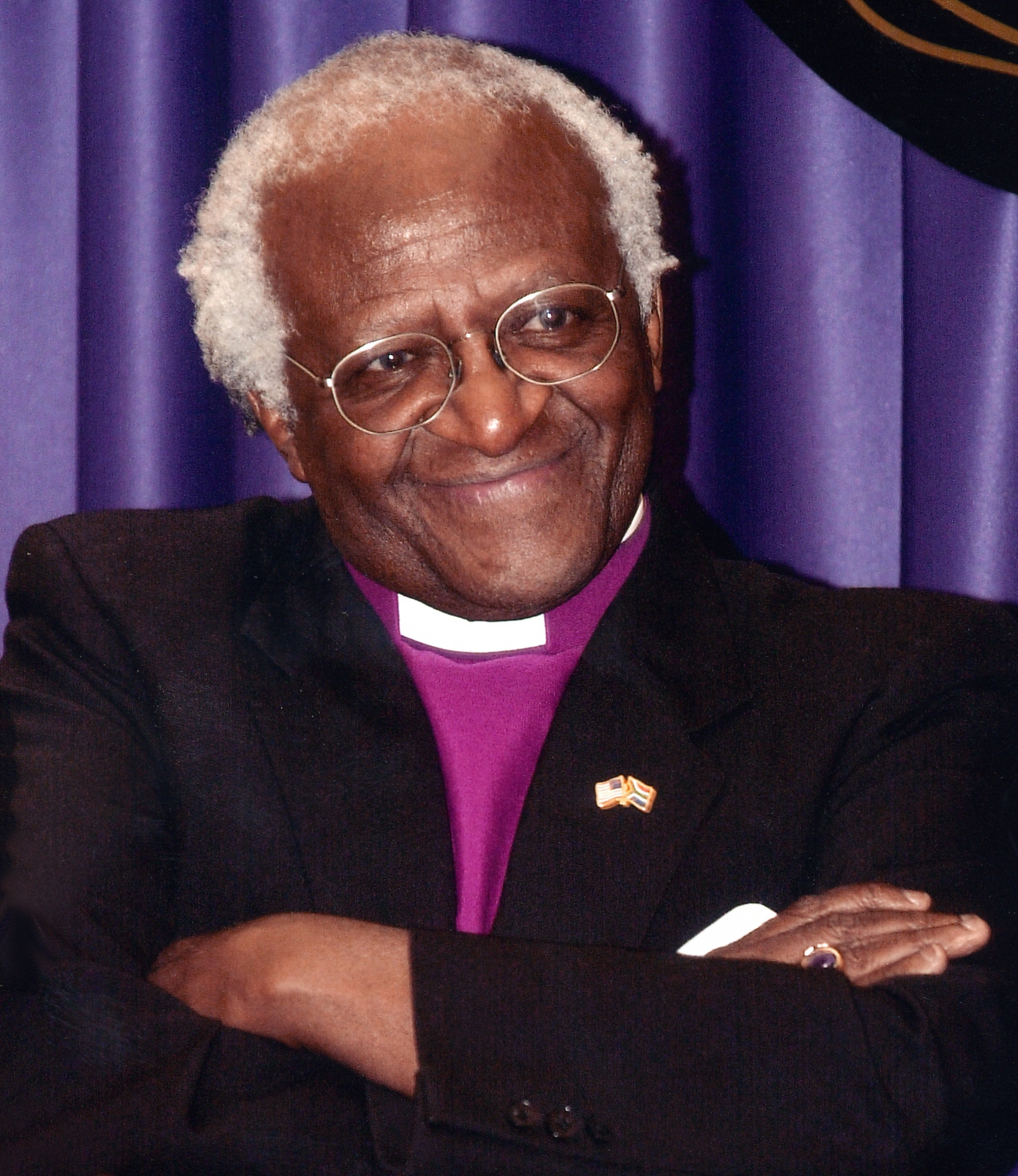
Desmond Mpilo Tutu
Anglican archbishop and anti-apartheid human rights leader
of 100 · stable trend · Strong moral/spiritual alignment
Standing
89/100
Raw Score
76/85
Confidence
90%
Evidence
High
About
Tutu's public life joined deep Christian conviction to nonviolent anti-apartheid leadership, victim-centered reconciliation work, and later global human-rights advocacy.
Belief, social care, integrity, and resilience are all strongly evidenced; the main cautions involve contested political judgments and the limited visibility of private charitable details.
Five Pillars
Pillar scores (0–100%)
The public record strongly supports a life ordered by faith, justice, and courage; the main limits are contested judgments in a few political debates and thinner visibility into private giving details.
Goodness over time
Starts at 100 at birth, natural decay after accountability age, timeline events adjust the trajectory.
17 Criteria Scores
Individual item scores (0–5) with evidence notes
Core Worldview
Contribution to Others
Personal Discipline
Reliability
Stability Under Pressure
Timeline
Key events and documented turning points
Left teaching after the apartheid state deepened Bantu Education
Tutu resigned from teaching rather than continue under a system he believed prepared Black children for subordination, then moved toward ordained ministry.
→ This was an early public turning point from private frustration into vocation-shaped resistance.
highBecame general secretary of the South African Council of Churches
From this platform Tutu became one of the clearest public voices against apartheid, urging nonviolent protest and international economic pressure.
→ He moved from respected cleric to nationally significant moral spokesperson.
highReceived the Nobel Peace Prize for nonviolent anti-apartheid leadership
The Nobel Committee recognized Tutu as a unifying leader in the nonviolent campaign against apartheid, reinforcing his international leverage.
→ The prize amplified pressure on the apartheid state and strengthened Tutu's ability to advocate for sanctions and reform.
highIntervened to stop a suspected informant from being killed by a mob
At the height of township violence, Tutu physically and verbally intervened against a mob preparing to burn a man alive on suspicion of being an apartheid spy.
→ The episode became one of the clearest public proofs that his nonviolence held even when emotions were hottest.
highAccepted leadership of the Truth and Reconciliation Commission
Tutu framed the commission as a spiritual and civic process centered on truth, repentance, forgiveness, and the dignity of victims.
→ He became the public face of South Africa's attempt to pursue reconciliation without simple amnesia.
highExpanded TRC statement-taking so more victims could be heard
He announced a nationwide campaign with NGOs and donor support to collect statements in accessible languages and connect testimony to reparations and rehabilitation.
→ The commission widened access and reinforced that public healing required more than a few televised hearings.
highBecame a founding Elder in Mandela's council of moral voices
Nelson Mandela launched The Elders with Tutu among the founding members to support peace, ethical leadership, and hope across conflicts.
→ Tutu's moral authority was extended from South Africa into a wider global peacemaking role.
mediumBacked the UN Free & Equal campaign against anti-LGBT violence
Tutu publicly tied his long anti-apartheid ethic to opposition to homophobic violence and discrimination, extending his advocacy to another vulnerable community.
→ His stance widened his human-rights witness while also provoking backlash from more conservative religious and political audiences.
mediumArgued African leaders should not abandon the ICC
Writing through The Elders, Tutu warned that abandoning international accountability would empower violent rulers and abandon victims.
→ The argument showed his continued insistence that moral concern must still include law, accountability, and the vulnerable.
mediumPublicly criticized the ANC and post-apartheid corruption
Even late in life, Tutu criticized ruling-party corruption, Jacob Zuma, and moral drift inside the movement that had ended apartheid.
→ The stance reinforced that his criticism was not reserved for old enemies; he also judged his own side when it failed the poor or abused public trust.
mediumPressure Tests
Behavior under crisis or scrutiny
Township violence and necklacing crisis
1985A suspected informant faced imminent mob killing during apartheid unrest.
Response: Tutu intervened directly and insisted that even a just cause could not excuse cruelty.
positiveTruth and Reconciliation Commission hearings
1996He presided over traumatic testimony from victims and perpetrators of apartheid abuses.
Response: He emphasized truth, repentance, reparations, and forgiveness rather than revenge.
positivePost-apartheid disappointment with ANC rule
2014He watched the liberation movement face corruption accusations and moral drift.
Response: He criticized leaders from his own camp publicly instead of protecting them for tribal loyalty.
positiveProgression
crisis years
The hardest years tested whether reconciliation could stay honest without becoming revenge.
upcurrent stage
Deceased; legacy remains one of strong faith-shaped public goodness with a few contested political judgments.
sidewaysearly years
A teacher turned priest as apartheid pushed him from ordinary professional life into explicit moral vocation.
upgrowth years
His leadership widened from church office into national anti-apartheid witness and international moral authority.
upBehavioral Patterns
Positive
- • Nonviolent courage under intense political pressure.
- • Victim-centered moral language instead of winner-centered triumphalism.
- • Readiness to criticize allies as well as opponents.
Concerns
- • Some public interventions were rhetorically polarizing and invited claims of unfairness from critics.
- • Private charity specifics are less documented than public advocacy and pastoral leadership.
Evidence Quality
8
Strong
3
Medium
0
Weak
Overall: high
This profile measures public behavior and evidence, not hidden intention or salvation.