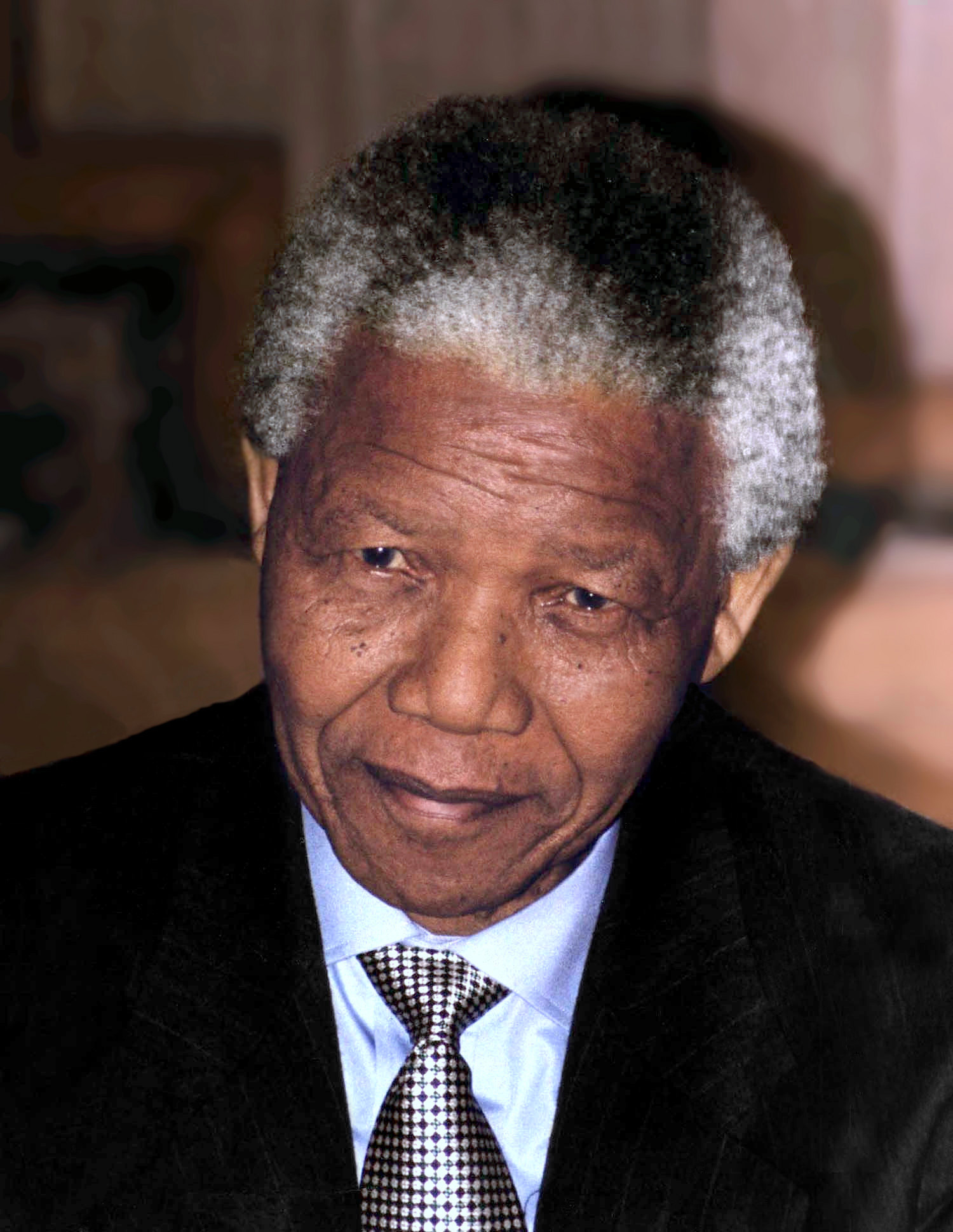
Nelson Rolihlahla Mandela
Anti-apartheid activist, lawyer, statesman, and first democratically elected President of South Africa
of 100 · stable trend · Strong moral/spiritual alignment
Standing
79/100
Raw Score
66/85
Confidence
95%
Evidence
Strong with some contested interpretation
About
South African anti-apartheid leader whose public record shows exceptional resilience, major liberation impact, and a sustained commitment to reconciliation over revenge.
The strongest evidence supports high alignment in integrity, resilience, and freeing people from constraint. The main cautions are the morally difficult turn to sabotage in the anti-apartheid struggle, limits of his presidential response to HIV/AIDS, and thinner public evidence about private devotional practice than about civic conduct.
Five Pillars
Pillar scores (0–100%)
Raw score 66 out of 85 and weighted score 79.0 out of 100. Mandela's record is strongest on liberation from oppression, integrity in office, and resilience under pressure. Scores are deliberately more cautious on private devotional observability and on the moral complications created by armed struggle and later HIV/AIDS criticism.
Goodness over time
Starts at 100 at birth, natural decay after accountability age, timeline events adjust the trajectory.
17 Criteria Scores
Individual item scores (0–5) with evidence notes
Core Worldview
Public record reflects theistic moral language and Christian formation, but not highly detailed devotional reporting.
His speeches and conduct show strong accountability language, though not heavily framed in eschatological detail.
His endurance and moral framing suggest belief in order beyond immediate power, scored cautiously.
Public record shows durable guidance from Christian ethical formation and justice language.
He often framed moral leadership through exemplary lives and disciplined service.
Contribution to Others
Family duty is visible but less central in the public record than national and civic service.
The Nelson Mandela Children's Fund anchors a durable commitment to vulnerable children.
Anti-apartheid work and later philanthropy repeatedly targeted structurally trapped people.
His politics and philanthropy consistently widened belonging beyond narrow tribal or racial lines.
TRC and later public advocacy show responsiveness to voiced suffering and exclusion.
Liberation from apartheid is the strongest and clearest social-care signal in the record.
Personal Discipline
Public evidence about regular private prayer is limited.
His later public life includes sustained charitable and stigma-reducing work.
Reliability
One-term exit, negotiated settlement, and institutional restraint strongly support this score.
Stability Under Pressure
He accepted personal deprivation and material sacrifice across decades.
Long imprisonment and family loss did not produce public collapse into bitterness.
His conduct under prison, trial, and transition pressure is one of the clearest strengths in the record.
Timeline
Key events and documented turning points
Joined African National Congress
Nelson Mandela joined the African National Congress in 1943, setting the stage for his future leadership in the anti-apartheid movement.
highHelped found the ANC Youth League and committed to organized anti-apartheid struggle
Mandela formally joined the African National Congress in 1944 and helped form the ANC Youth League, moving from private concern to durable public political commitment.
→ Established a long-term disciplined role in a movement aimed at political rights and dignity.
highServed as Volunteer-in-Chief in the Defiance Campaign against unjust laws
Mandela helped lead mass civil disobedience against apartheid laws and connected legal activism with large-scale disciplined nonviolent resistance.
→ Expanded the ANC's reach, increased political participation, and strengthened nonracial organizing.
highAccepted sabotage as part of the anti-apartheid struggle after peaceful avenues were crushed
Mandela helped launch Umkhonto we Sizwe after repeated repression of nonviolent protest, arguing for sabotage aimed at property rather than people. The shift remains a serious moral complication even within an oppressive context.
→ Broadened resistance capacity but accepted a morally hazardous form of political violence.
highUsed the Rivonia Trial to defend a democratic and nonracial ideal despite risk of death
In his statement from the dock, Mandela publicly anchored the struggle in an inclusive democratic vision and accepted the personal cost of that stance. He was later sentenced to life imprisonment.
→ Turned a criminal trial into a durable moral and political reference point.
highLeft prison unconditionally and entered negotiations without publicly abandoning principle
After rejecting earlier conditional offers of freedom, Mandela was released on 11 February 1990 and moved quickly into negotiations aimed at ending white minority rule.
→ Created a credible path from liberation struggle to negotiated transition.
highBacked a truth-and-reconciliation framework instead of a revenge framework
Mandela's government established the Truth and Reconciliation Commission under the Promotion of National Unity and Reconciliation Act, making public truth-telling and conditional amnesty part of national repair.
→ Helped legitimize a national process for truth recovery, acknowledgment, and imperfect reconciliation.
highLaunched the Nelson Mandela Children's Fund and made children a stated national priority
Mandela used his public authority to direct resources and attention toward children, especially those facing structural disadvantage.
→ Created a durable philanthropic vehicle focused on vulnerable young people.
highStepped down after one term as promised
Mandela left the presidency after a single term rather than personalizing power, strengthening the norm that offices should outlast charismatic leaders.
→ Reinforced constitutional restraint and trust in peaceful transfer of power.
highUsed his later public life to confront HIV/AIDS stigma more directly
Mandela's 46664 campaign and his public disclosure that his son had died of AIDS helped normalize open discussion, reduce stigma, and press for action, though critics note he had not moved as forcefully on the epidemic while president.
→ Strengthened the human-rights framing of the AIDS response while also highlighting a weakness in his earlier presidential record.
highPressure Tests
Behavior under crisis or scrutiny
27 years of imprisonment
1962Mandela was isolated from family, public life, and normal political participation for decades.
Response: He emerged publicly committed to negotiation and inclusive democracy rather than blanket revenge.
positiveNegotiating during potential civil conflict
1990South Africa's transition carried high risks of retaliatory violence, political fragmentation, and bad-faith bargaining.
Response: He balanced principle with compromise and kept returning to the language of a nonracial democratic settlement.
positiveHIV/AIDS and personal bereavement
2005After his son Makgatho died of AIDS, Mandela faced the epidemic not as abstraction but as family grief and a national crisis.
Response: He spoke openly to reduce stigma and pressed for a more direct moral and public-health response.
positiveProgression
crisis years
Prison, armed-struggle controversy, and negotiation pressure tested whether suffering would harden into revenge.
upcurrent stage
His legacy remains strongly positive but not unqualified, with enduring debate around violence, private devotion, and policy limits.
stableearly years
From local injustice awareness to organized moral-political commitment.
upgrowth years
Mass action, legal advocacy, and rising public responsibility expanded his influence.
upBehavioral Patterns
Positive
- • Repeatedly transformed personal suffering into public discipline rather than private vengeance.
- • Used political authority to widen citizenship and later to support children and people facing stigma.
- • Left office voluntarily and helped normalize constitutional transfer over charismatic rule.
Concerns
- • The move into sabotage remains a serious moral complication even if it arose in a brutally repressive context.
- • His presidential years did not show the same public urgency on HIV/AIDS that marked his post-presidential advocacy.
Evidence Quality
17
Strong
4
Medium
0
Weak
Overall: strong_with_some_contested_interpretation
This profile evaluates observable conduct and public evidence, not the unseen state of a person's soul.