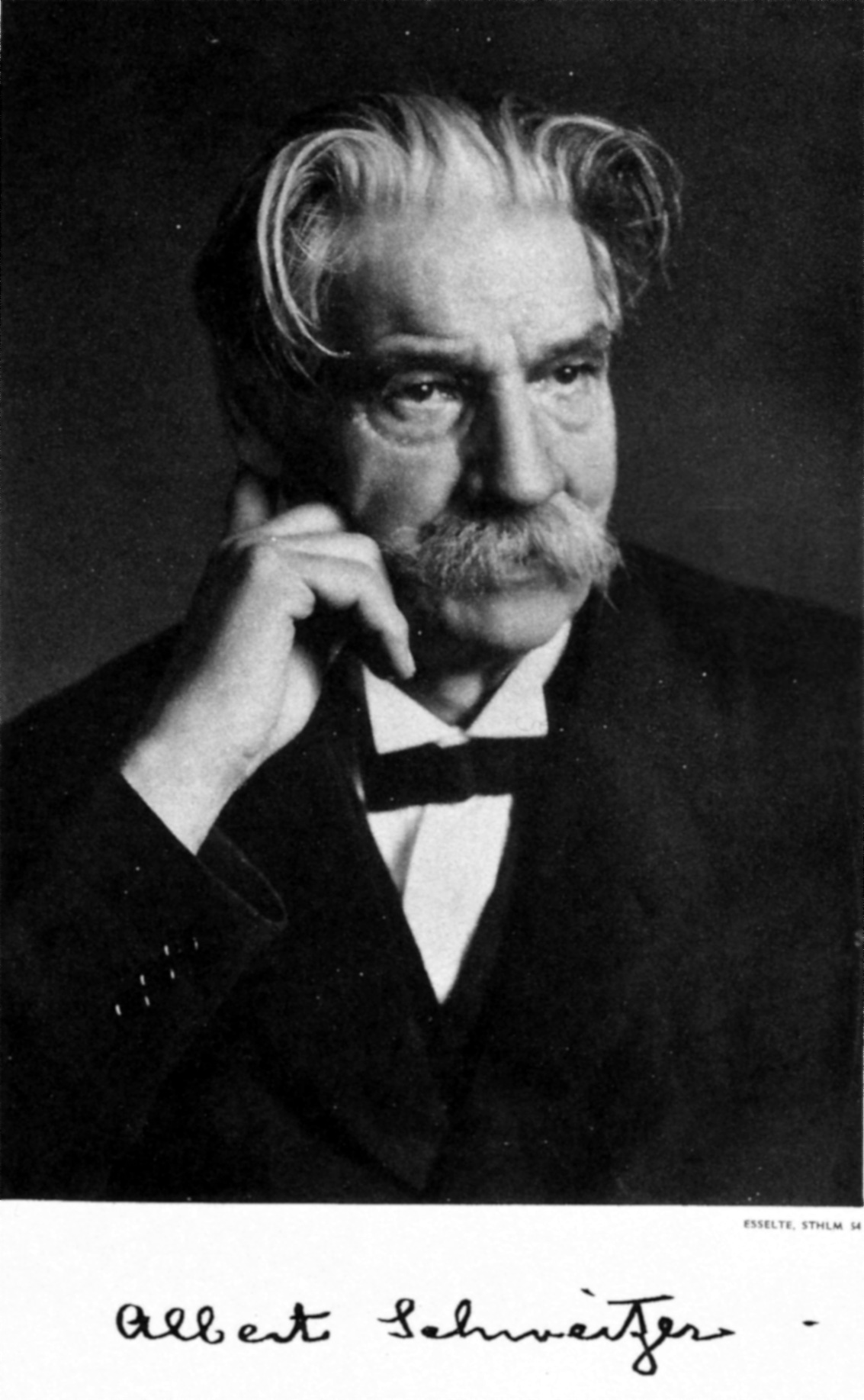
Albert Schweitzer
Mission doctor, theologian, philosopher, and anti-nuclear peace advocate
of 100 · stable trend · Visibly decent and improving
Standing
75/100
Raw Score
65/85
Confidence
76%
Evidence
Medium-high
About
Albert Schweitzer redirected a celebrated academic and musical career into long-term medical work in Lambarene, built a hospital that served poor patients for decades, and later used his public stature to campaign against nuclear testing.
The public record shows real sacrificial service, durable Christian commitment, and meaningful peace advocacy. It also shows serious limitations: paternalist colonial framing, weak evidence for empowering local agency, and later criticism of his silence about Nazi atrocities and the Holocaust.
Five Pillars
Pillar scores (0–100%)
Schweitzer's record is plainly stronger in costly service than in moral clarity about power. He lived out a sustained Christian commitment to healing and later peace advocacy, but the profile stays below the top bands because paternalist attitudes and silence on major injustice complicate the integrity picture.
Goodness over time
Starts at 100 at birth, natural decay after accountability age, timeline events adjust the trajectory.
17 Criteria Scores
Individual item scores (0–5) with evidence notes
Core Worldview
Ordained Christian theologian and missionary doctor with explicit God-centered moral language.
His theology and vocation imply durable accountability before God, though not framed in Islamic terms.
The reverence-for-life ethic and mission vocation reflect strong belief in moral order beyond material success.
His life direction was publicly grounded in scripture-shaped Christian calling.
His public model of service is explicitly tied to Jesus and Christian witness.
Contribution to Others
Public evidence is concentrated on outward service rather than family obligations.
The hospital and leprosy work benefited children and vulnerable young patients, though not mainly through an orphan-centered record.
He built his public life around poor patients with few alternatives.
The Lambarene work served distant and socially cut-off patients in a medically underserved region.
His work was direct bedside care for people who came in need.
Care and peace advocacy reduced suffering, but paternalism limited the liberating side of the record.
Personal Discipline
He was a practicing Lutheran theologian and missionary, though daily devotional routines are not richly documented.
He redirected income, reputation, and Nobel resources into care work over decades.
Reliability
He kept his service commitment for decades, but the integrity score is reduced by paternalist moral blind spots and silence on major injustice.
Stability Under Pressure
He sustained the institution through chronic fundraising and scarcity.
Internment, illness burdens, and long hardship did not end the work.
He endured wartime disruption and later used his voice under Cold War pressure.
Timeline
Key events and documented turning points
Announced his decision to become a mission doctor
After establishing himself in theology and music, Schweitzer publicly committed in 1905 to train as a doctor so he could devote himself to philanthropic medical work in Africa.
→ This decision reoriented his life around service rather than prestige alone.
mediumReached Lambarene and built the first hospital
After qualifying in medicine, Schweitzer and Helene Bresslau traveled to Lambarene in 1913 and built a hospital that he largely funded through his own income and later donations.
→ The hospital became the central institution of his public moral reputation.
highReturned after World War I and rebuilt the hospital
After internment during World War I, Schweitzer returned to Africa in 1924, rebuilt the hospital, and later added a leper colony that significantly expanded the reach of care.
→ The rebuilt institution gave his service pattern long-run durability rather than a single heroic episode.
highReceived the Nobel Peace Prize and directed prestige toward care work
Schweitzer was awarded the 1952 Nobel Peace Prize and used the recognition and prize resources to strengthen the hospital and establish a leprosarium.
→ Prestige translated into practical capacity, not only symbolic honor.
highBroadcast the Declaration of Conscience against nuclear testing
After studying the consequences of atomic testing, Schweitzer used Radio Oslo in April 1957 to issue a public appeal against nuclear weapons tests and continued that advocacy in later broadcasts and letters.
→ This broadened his public service from bedside medicine to international moral advocacy.
highLegacy complicated by paternalist language and criticism of moral silence
Later criticism highlighted Schweitzer's paternalist framing toward Africans, reported remarks about Africans as a junior brother, criticism of hospital conditions, and scholarly concern that he did not publicly confront Nazi atrocities despite personal proximity to the issue.
→ These concerns do not erase the service record, but they lower confidence in portraying it as morally unambiguous.
mediumPressure Tests
Behavior under crisis or scrutiny
World War I internment and disruption
1917Schweitzer was interned during World War I and the original hospital work was interrupted.
Response: He later returned to Africa and rebuilt the work rather than treating the interruption as closure.
positiveChronic scarcity and institutional maintenance
1924The hospital depended on personal fundraising, outside gifts, and persistent reconstruction in a difficult colonial setting.
Response: He continued financing and organizing care over decades.
positiveCold War nuclear danger
1957The spread of hydrogen bomb testing pushed him beyond his habitual reluctance to speak politically.
Response: He studied the issue, accepted public risk, and issued repeated appeals against testing.
positiveProgression
crisis years
War disruption and later global nuclear anxiety tested whether his ethical language would stay private or become public witness.
mixed_positivecurrent stage
As a deceased figure, he is remembered through a split legacy of deep service and credible postcolonial criticism.
mixedearly years
Theological study, church preaching, and a deliberate move from scholarship toward practical service.
upwardgrowth years
Hospital building, fundraising, and an ethic of reverence for life turned into durable institutions.
upwardBehavioral Patterns
Positive
- • Long-run service to poor patients
- • Turned prestige into hospital funding
- • Used later-life stature for anti-nuclear appeals
Concerns
- • Paternalist descriptions of Africans
- • Limited evidence of empowering local equality
- • Moral silence on Nazi atrocities remains a serious blemish
Evidence Quality
4
Strong
3
Medium
0
Weak
Overall: medium-high
This profile evaluates public behavior and available evidence. It does not judge hidden intention, private spirituality, or salvation.