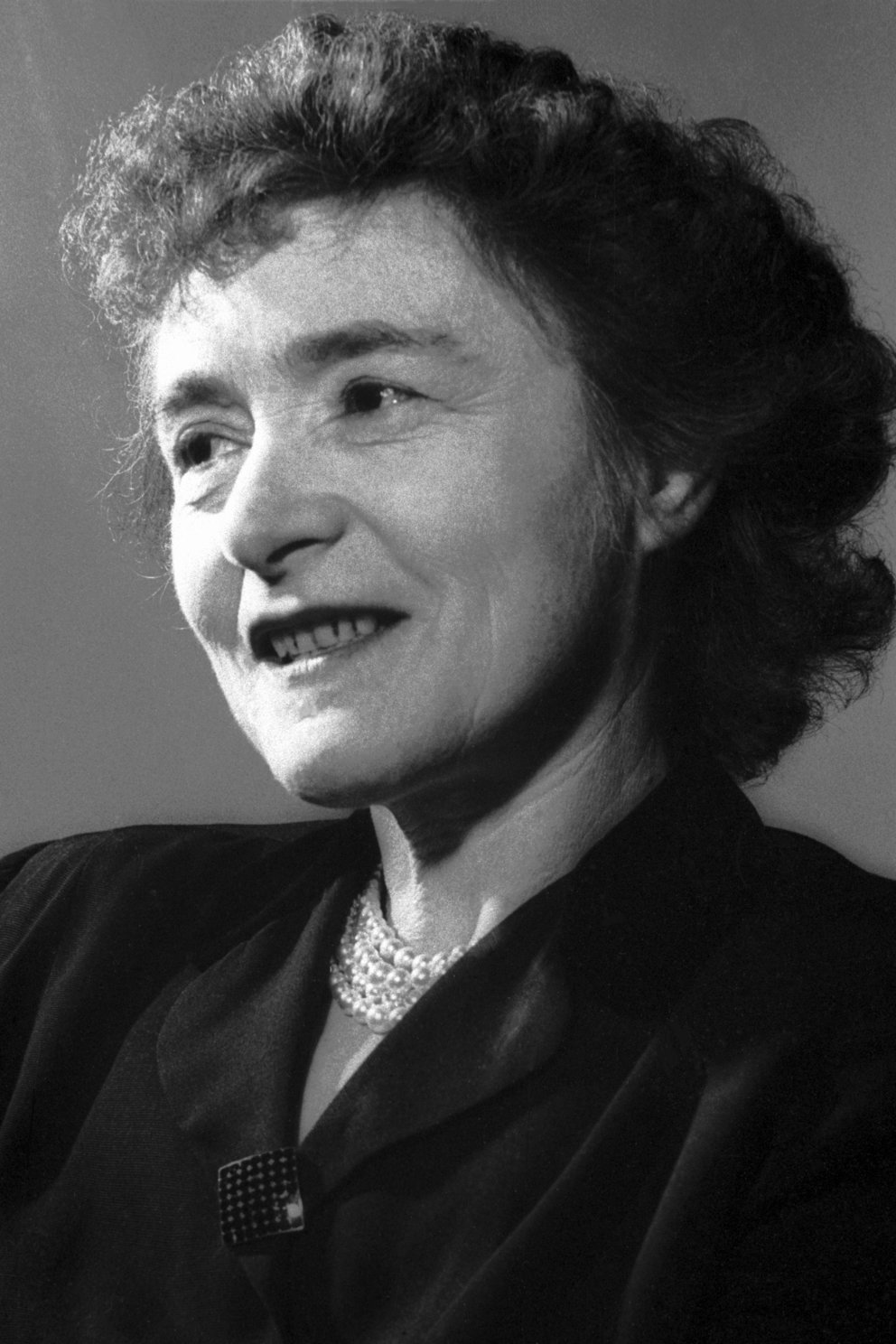
Gerty Theresa Radnitz Cori
Biochemist and Nobel laureate in physiology or medicine
of 100 · stable trend · Some good traits but inconsistent
Standing
53/100
Raw Score
43/85
Confidence
68%
Evidence
Medium high
About
Gerty Cori shared the 1947 Nobel Prize in Physiology or Medicine for discoveries explaining the catalytic conversion of glycogen.
Public evidence is strongest for scientific contribution, integrity, collaboration, and resilience under discrimination and severe illness. Evidence is thinner for private worship and direct charity.
Five Pillars
Pillar scores (0–100%)
Strongest in scientific integrity, public-health contribution, and resilience; limited public evidence for devotional practice and direct charity.
Goodness over time
Starts at 100 at birth, natural decay after accountability age, timeline events adjust the trajectory.
17 Criteria Scores
Individual item scores (0–5) with evidence notes
Core Worldview
Scored from public biographical evidence; observability varies by item.
Scored from public biographical evidence; observability varies by item.
Scored from public biographical evidence; observability varies by item.
Scored from public biographical evidence; observability varies by item.
Scored from public biographical evidence; observability varies by item.
Contribution to Others
Scored from public biographical evidence; observability varies by item.
Scored from public biographical evidence; observability varies by item.
Scored from public biographical evidence; observability varies by item.
Scored from public biographical evidence; observability varies by item.
Scored from public biographical evidence; observability varies by item.
Scored from public biographical evidence; observability varies by item.
Personal Discipline
Scored from public biographical evidence; observability varies by item.
Scored from public biographical evidence; observability varies by item.
Reliability
Scored from public biographical evidence; observability varies by item.
Stability Under Pressure
Scored from public biographical evidence; observability varies by item.
Scored from public biographical evidence; observability varies by item.
Scored from public biographical evidence; observability varies by item.
Timeline
Key events and documented turning points
Moved to the United States amid rising antisemitism and limited opportunity
The Coris left Europe for the United States, with official accounts noting instability, anti-Semitism, and risk linked to Gerty Cori's Jewish ancestry.
→ She continued research in Buffalo and became a naturalized U.S. citizen in 1928.
mediumProposed the Cori cycle
Gerty and Carl Cori described how the body stores and reuses glucose through glycogen, lactic acid, liver processing, and muscle energy use.
→ The discovery became central to understanding energy metabolism.
globalPersisted through unequal status and pay
Official biographies describe years of unequal recognition while she continued work as Carl Cori's scientific partner.
→ She continued producing major discoveries and became professor in 1947.
highShared the Nobel Prize and became professor of biochemistry
In 1947 Cori shared the Nobel Prize in Physiology or Medicine and became professor of biochemistry at Washington University.
→ Her recognition validated decades of disciplined research and marked a historic breakthrough for women in science.
globalContinued productive research during severe myelofibrosis
During her final decade, Cori continued research despite myelofibrosis, surgeries, transfusions, and increasing physical dependence.
→ Her late work deepened understanding of enzymes and disease mechanisms before her death in 1957.
highPressure Tests
Behavior under crisis or scrutiny
Gender discrimination in hiring, pay, and rank
1931Institutions resisted recognizing Cori as an equal scientific partner.
Response: She continued the collaboration and produced Nobel-recognized work.
Strong resilience and integrity under professional pressure.Myelofibrosis in final decade
1957Severe bone marrow disease required surgeries and transfusions.
Response: She continued productive scientific work until near the end of life.
Very strong personal-hardship resilience.Progression
current stage
After recognition, continued public science and research through severe illness until death.
stableearly years
Entered medicine despite educational barriers and later rebuilt her life in the United States.
improvinggrowth years
Produced major discoveries while formal status lagged behind contribution.
stableBehavioral Patterns
Positive
- • Long-term collaborative loyalty
- • Scientific discipline over decades
- • Persistence under discrimination
- • Public-health benefit through research
Concerns
- • Sparse evidence of direct charity
- • Sparse evidence of routine worship
- • Social impact mostly mediated through elite scientific institutions
Evidence Quality
4
Strong
2
Medium
0
Weak
Overall: medium_high
This profile evaluates public evidence of observable behavior and commitments. It does not judge hidden intention, salvation, or private spiritual state.